استارتاپ-startupسرمایه-گذاریشهر-هوشمند· Published: Feb 7, 2025
Topics:#Smart City#IoT#Urban Planning#Sustainable Development
Smart City: Concept, Features, and a Promising Future
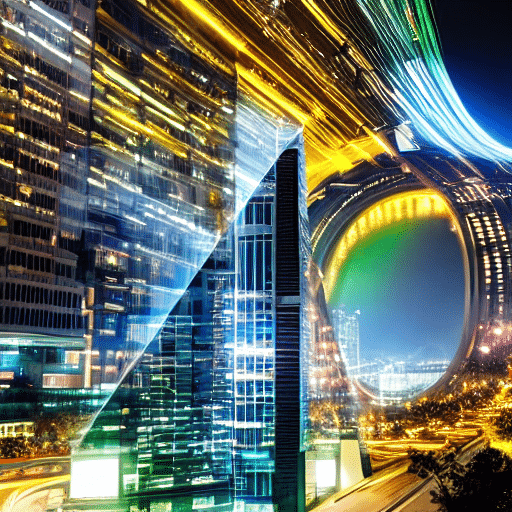
Smart City: Concept, Features, and a Promising Future
Introduction:
In recent decades, with the advancement of new technologies, the concept of a smart city has gradually gained attention as a new urban development model. A smart city is designed to improve the quality of life for citizens, optimize resource use, and increase environmental sustainability. In this article, we will explore the concept, features, and promising future of smart cities.
1. The Concept of a Smart City:
As a technology-driven system, a smart city uses information and data related to the city and its citizens to provide services and facilities that facilitate citizens' lives and increase the city's efficiency. The main goal of a smart city is high productivity, optimal resource use, cost reduction, and improved quality of life for citizens.
2. Features of a Smart City:
A smart city has some key features, which we will mention below:
a) Communication Technology Infrastructure: A smart city must be built on strong and stable communication technology infrastructure. The use of advanced communication networks and the Internet of Things (IoT) enables connectivity between objects and devices.
b) Smart Resource Management: In a smart city, various urban resources such as energy, water, transportation, and waste are managed intelligently. The use of sensors and smart systems in this area helps to optimize resource use and reduce waste.
c) Smart Transportation: In a smart city, smart and optimized transportation systems are used. These systems include traffic automation, smart parking, public space management, and smart bus and train stations. These systems help citizens to move quickly and efficiently from one place to another, reducing traffic and travel time.
( In this area, Mehrdad has a strong startup team )
d) Electronic Services: A smart city provides a variety of electronic services that offer facilities such as electronic payments, electronic health services, electronic education, and urban information provision. These services enable citizens to use urban services easily and quickly and to have online communication with city devices.
src="/media/smart-city-mehrdad-2.png"Mehrdad Smart City Design3. The Promising Future of Smart Cities:
In the near future, the smart city will become a necessity. With the growing urban population and increasing needs, the concept of a smart city emerges as a comprehensive solution to address emerging urban challenges. In the future, smart cities will significantly improve with the development of new technologies such as artificial intelligence, the Internet of Things, data analytics, and high-speed communications.
One of the future challenges of smart cities is big data management. With the increasing number of sensors and connected devices in the city, the volume of data will increase significantly. Therefore, the ability to aggregate, analyze, and use this data optimally will be critical.
Additionally, information security and protecting citizens' privacy are also important issues.
4. Threats and Challenges:
Despite all the advantages and potential of smart cities, it also comes with challenges and threats that must be addressed. The most significant threats include:
a) Inter-departmental Coordination: A smart city operates based on communication and cooperation between different urban sectors. However, coordination and cooperation between sectors may create problems due to different structures and systems. Therefore, appropriate infrastructure must be provided for coordination and interaction between sectors.
b) Security Protection: With more devices and systems connected to the network in a smart city, security risks also increase. Special attention must be paid to protecting citizens' information, preventing cyberattacks, and maintaining privacy.
c) Private and Public Companies: Cooperation between private and public companies plays a significant role in creating a smart city. However, coordination and cooperation between these two entities may have problems due to different interests and goals. It is necessary to properly define the role of both entities and through constructive cooperation, improve the smart city.
Our discussions about smart city continue, stay with us
Thanks, Mehrdad
Short Link:
https://mehrdad.ir/ymsd
0 comments
Loading...