استارتاپ-startupسرمایه-گذاریشهر-هوشمند· Published: Feb 7, 2025
Topics:#Smart City#IoT#Energy Management#Sustainable Development
Smart City and New Technologies
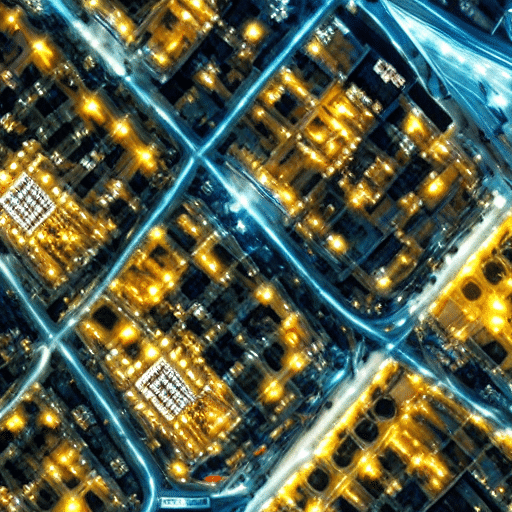
Smart City and New Technologies
Introduction:
Smart City, as an emerging concept in the modern world, seeks to optimally use new technologies and communications to improve citizens' quality of life and better manage urban resources and services. With the advancement of new technologies, smart cities have become a achievable reality, and there are successful projects in this field around the world.
Part One: Definition and Characteristics of a Smart City
A smart city is defined as a city that uses new technologies and advanced communication systems to collect and analyze information, optimize urban services, and improve resource management. Smart cities, using cutting-edge technologies such as the Internet of Things (IoT), Artificial Intelligence (AI), sensors and data, advanced wireless communications, and other technologies, are capable of providing smart services, improving urban management, and creating a better life for citizens.
One of the characteristics of a smart city is the use of the Internet of Things. By using IoT, various urban devices can connect to each other and collect information about the physical environment, traffic, energy, and other urban aspects. This information can be analyzed and used to provide smart services.
In smart cities, artificial intelligence plays an important role. By using artificial intelligence and machine learning algorithms, the collected information about urban patterns and trends is analyzed, and smart decisions are made regarding traffic management, energy optimization, waste management, and other urban services. Artificial intelligence improves the ability of cities to be responsive and meet citizens' needs.
Part Two: Benefits and Advantages of a Smart City
Smart cities provide many facilities and benefits for citizens and urban managers. Some of the advantages of smart cities include:
1. Improved quality of life: Smart cities improve citizens' quality of life by enhancing urban services such as smart public transportation, traffic management, urban space organization, health and wellness promotion, and other public services.
2. Energy savings: By using smart systems for energy management, cities can achieve significant improvements in energy consumption. For example, smart lighting systems that adjust based on citizen presence and lighting needs lead to reduced energy consumption and lower energy costs.
3. Sustainable resource management: Smart cities can help in better design, optimal management, and efficient use of urban resources such as water, energy, waste, and other resources. These resources are collected, monitored, and optimized in a smart system.
4. Increased security: By using smart technologies such as surveillance cameras, sensors, and alarm systems, urban security is improved. These systems can help in detecting and preventing crimes, managing crises, and providing more effective security services.
5. Citizen engagement: Smart cities provide facilities that enable citizens to participate in urban decision-making processes. Through citizen participation platforms and communication tools, citizens can share their opinions, criticisms, and suggestions…
src="/media/smart-city-mehrdad-1.png"Smart City New Technologies6. Facilitating communications: Smart cities provide advanced wireless communications that enable citizens and urban managers to interact easily with each other. These communications include free Wi-Fi networks, mobile applications, text messaging systems, and communication platforms.
7. Smart traffic: By using smart traffic systems, cities can manage traffic efficiently. Smart traffic solutions include traffic warning systems, traffic guidance systems, and the use of real-time traffic data. These measures lead to reduced travel time and increased efficiency in urban transportation.
8. Energy efficiency: Smart cities are able to optimally utilize energy resources. By using energy management systems, energy consumption in buildings and homes is controlled and optimized. Additionally, clean energy generation systems such as solar panels and wind turbines can help supply urban energy.
9. Smart waste management: Smart cities offer innovative methods for waste management. By using sensors, smart containers, and smart collection systems, the amount of waste is reduced and the process of recycling and recovering it is improved.
10. Sustainable development: Smart cities operate in line with sustainable development. By using smart technologies, urban facilities and services are provided more optimally and in accordance with sustainability principles. These cities consider resource planning, environmental protection, and optimal use of land and urban space.
11. Smart citizenship: Smart cities provide smart facilities and services to citizens. These services include online urban services, accessible urban information, useful mobile applications, information systems, and citizen participation systems. These facilities increase transparency, citizen engagement, and participation in urban processes.
In general, smart cities, by using innovative technologies and smart systems, make it possible to improve citizens' lives, better manage resources, increase security, and protect the environment. These cities are considered leading examples in the direction of sustainable and smart development.
Short Link:
https://mehrdad.ir/tkoj
0 comments
Loading...