Inventionاستارتاپ-startupTechnologyسرمایه-گذاریشهر-هوشمندهوش-مصنوعی· Published: Mar 14, 2025
Topics:#Startup#Rail Transport#IoT#Sustainable Development
Smart Railway Transportation Startup
Hello, I'm Mehrdad
Our startup team has designed a smart rail transportation system and is looking to build a team and attract investors
In the following, I invite you to read the contents of this article to become more familiar with this product, and at the end, the PDF file of the initial product plan for the startup has been placed for download.
Introduction
In recent decades, rail transportation has become one of the important aspects of the transportation industry, considering technological advancements. The use of artificial intelligence, the Internet of Things, and other technologies has paved the way for the creation of smart rail transportation startups. In this article, we examine these startups and innovative designs in smart rail transportation.
Introduction to Rail Transportation and Its Importance:
Rail transportation is one of the main transportation systems in the world, which is based on the use of rails and vehicles specifically called trains. This system is known as one of the most fundamental and efficient means of transportation due to its unique characteristics.
The Importance of Rail Transportation:
1. Speed and Efficiency: Rail transportation brings high speed and significant efficiency due to the lack of traffic impact and defined routes.
2. Environmental Protection: It helps reduce greenhouse gas emissions and environmental damage and is presented as a sustainable transportation method.
3. Lower Costs: Compared to road transportation, rail transportation costs decrease due to lower fuel consumption and less maintenance requirements.
4. Traffic Reduction: By preventing congestion and traffic in cities, rail transportation helps improve traffic problems.
5. Connecting Different Regions: Rail transportation connects different regions and facilitates the movement of people and goods.
Overall, rail transportation plays an important role in sustainable development and improving the quality of life and economic development.
The Role of Artificial Intelligence and the Internet of Things in Rail Transportation:
Artificial Intelligence (AI):
Artificial intelligence plays a very important role as an advanced technology in rail transportation. By using AI algorithms and models, capabilities such as predicting train conditions, optimizing routes, and reducing costs are achieved. Artificial intelligence is also used in automated decision-making and improving the performance of rail transportation systems.
Internet of Things (IoT):
In rail transportation, the Internet of Things improves by communication between different components of the system. Internet-connected sensors and devices can provide real-time information about trains, routes, and railway infrastructure. This information is of great importance in enhancing security, better equipment monitoring, and improving the efficiency of rail transportation systems.
The integration of artificial intelligence and the Internet of Things helps create smart and optimal rail transportation systems, which in addition to improving performance, provide more facilities for managers and passengers. These technologies help rail transportation systems to quickly and intelligently cope with challenges and daily needs.
Benefits of Smart Rail Transportation:
1. Cost Reduction: Smart rail transportation improves efficiency and better resource management, leading to reduced operational and maintenance costs.
2. High Speed: Relying on smart technology in rail transportation increases the speed of trains, which helps reduce travel time and increase efficiency.
3. Error Reduction: The use of smart systems in traffic management and improved communication reduces errors and delays and allows the rail transportation system to predict and prevent problems.
4. Environmental Protection: By using green technologies and reducing energy consumption, smart rail transportation helps protect the environment and contributes to positive steps towards sustainability.
5. Increased Security: Smart systems in rail transportation, using cameras, sensors, and advanced technologies, help increase travel safety and prevent accidents.
6. Facilitating Communication: The use of communication technology in smart rail transportation enables easy communication and timely information for passengers and managers.
7. Reduction of Urban Traffic: By transferring traffic from roads to rail transportation, it reduces urban congestion and helps improve the living conditions of citizens.
The use of smart rail transportation not only helps improve the performance of the transportation system but also contributes to creating a sustainable and flexible transportation system.
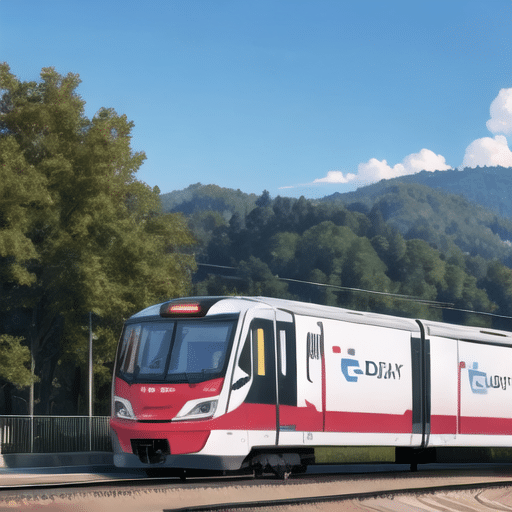
src="/media/Rail_Startup_36097705.png"Challenges and Solutions of the Smart Rail Transportation StartupChallenges and Solutions of the rail transportation smart Startup:
1. Infrastructure Updates: Investing in updating old infrastructure and machinery helps improve the quality and efficiency of rail transportation.
2. Standardization: Creating common and coordinated standards for different systems and equipment facilitates information sharing and better coordination.
3. Strengthening Cybersecurity: The use of technologies and security standards to protect smart rail transportation systems is essential.
4. Offering Financial Facilities: Governments and related organizations can support companies in updating and implementing smart technologies by providing financial facilities.
5. Training and Awareness: Training managers and employees in the use of smart technologies and new technologies can help in the best use of these technologies.
By implementing these solutions, continuous improvement in the performance of smart rail transportation can be guaranteed and obstacles can be reduced.
src="/media/Rail_Startup_in_tokyo_313108961.png"Smart Rail Transportation StartupInitial Plan for the Smart Rail Transportation Startup:
Smart Rail Transportation for a Sustainable Future
This startup aims to improve the rail transportation system and create a smart and sustainable network. This initial plan is dedicated to combining artificial intelligence, the Internet of Things, and innovative solutions in the field of rail transportation.
Objectives:
1. Enhancing the productivity and efficiency of rail transportation.
2. Reducing negative impacts on the environment and increasing sustainability.
3. Creating a comfortable and safe experience for passengers and cargo.
4. Establishing information sharing between operators and various rail transportation entities.
Features and Components:
1. Prediction and Optimization System:
– Using AI to predict traffic and optimize train routes.
– Providing accurate and up-to-date reports on the transportation network status.
2. Sensors and Internet of Things:
– Installing smart sensors on trains and infrastructure to collect real-time data.
– Continuous connection to the Internet of Things for passenger information and improved monitoring.
3. Passenger Information System:
– Offering mobile applications for ticket booking, trip status tracking, and requesting additional services.
– Creating an interactive platform for passenger feedback and service improvement.
4. Automated Monitoring and Control:
– Developing automated systems for monitoring and controlling various components of the rail transportation system.
– Preventing accidents through advanced technologies.
Implementation Steps:
1. Research and Development:
– Examining the best solutions and existing technologies in rail transportation.
– Creating a research team and laboratory to advance the project.
2. Pilot Experience:
– Implementing a prototype model on a test route in collaboration with one of the rail transportation companies.
– Collecting feedback and optimizing the model.
3. Full Project Implementation:
– Expanding to a larger number of rail transportation routes and lines.
– Collaborating with various operators to create a connected network.
4. Continuous Development and Optimization:
– Developing new versions by adding new features.
– Continuing optimization based on experiences and received feedback.
By upgrading the rail transportation system to a new generation of smart and sustainable services, it contributes to improving the quality of life for citizens and the sustainable development of cities.
The Future of Rail Transportation:
Predictions and Future Vision:
Smart rail transportation, with the ever-advancing technology, is moving toward a modern and dynamic future. Some of the predictions and future visions in this field include the following:
1. Widespread use of automation: Increased use of automation technologies in rail transportation will lead to improved safety and efficiency.
2. Advancement of AI and IoT technology: Greater utilization of AI and IoT in traffic management, need prediction, and route optimization.
3. Widespread adoption of intelligent systems in passenger interaction: Enhancing technology-based services to increase passenger comfort and experience.
4. Use of clean energy: Transitioning to clean and sustainable energy systems in rail transportation to reduce negative impacts on the environment.
5. Development of rail transportation infrastructure in underdeveloped regions: Expanding the rail transportation network to underdeveloped areas with the aim of promoting economic and social development.
Impact of Smart Rail Transportation on Society:
1. Reduced traffic and air pollution: Increased use of smart rail transportation leads to reduced traffic in cities and improved air quality.
2. Increased economic productivity: Smart rail transportation systems increase productivity in related industries, reduce costs, and create jobs.
3. Passenger comfort and safety: Enhancing the level of passenger safety and comfort through intelligent systems and technological innovations.
4. Facilitating connections between different regions: Smart rail transportation helps in faster and more efficient connections and communication between different regions of a country or even internationally.
5. Better energy management: Use of clean energy in smart rail transportation helps reduce energy consumption and protect the environment.
The use of technology in rail transportation plays a significant role in improving the quality of life for individuals and creating sustainable and smart communities.
Conclusion of the Smart Rail Transportation Startup:
In conclusion, smart rail transportation as a new paradigm in the transportation sector has brought significant transformations in various aspects of this industry. The use of smart technologies, the Internet of Things, and artificial intelligence in rail transportation has improved performance, reduced costs, and enhanced security and service quality.
The importance of smart rail transportation addresses new societal challenges. These challenges include urban traffic, air pollution, population growth, and the need for sustainable transportation solutions. Through the implementation of smart rail transportation, these challenges become solvable by optimizing resources, reducing traffic, and increasing efficiency.
Ultimately, considering the opportunities and challenges that smart rail transportation brings, this innovative approach not only improves the lives of citizens and increases comfort in movement but also helps reduce pollution, protect the environment, and achieve sustainable development.
Given the importance of smart rail transportation and its positive impacts on society and the environment, the Mehrdad startup team is invited to participate in discussions for cooperation and investment in this area. This opportunity may facilitate the development and implementation process of smart rail transportation projects. We believe that with the experience and expertise of your respected team, we can take a significant step toward sustainable and smart transportation.
[Download Link for Smart Rail Transportation Startup Pitch Deck PDF]
Short Link:
https://mehrdad.ir/lzu0
0 comments
Loading...